PROGRAMS
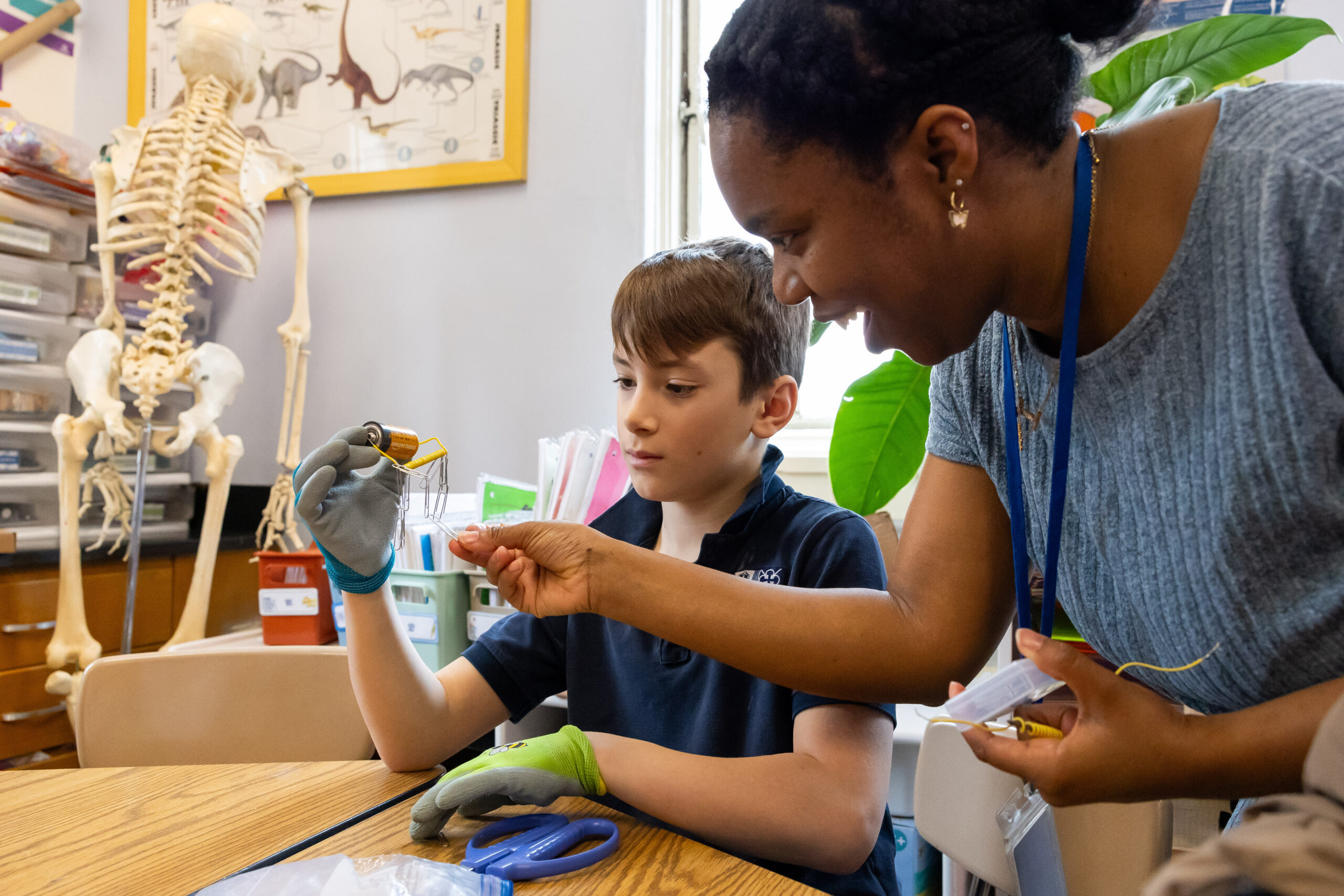
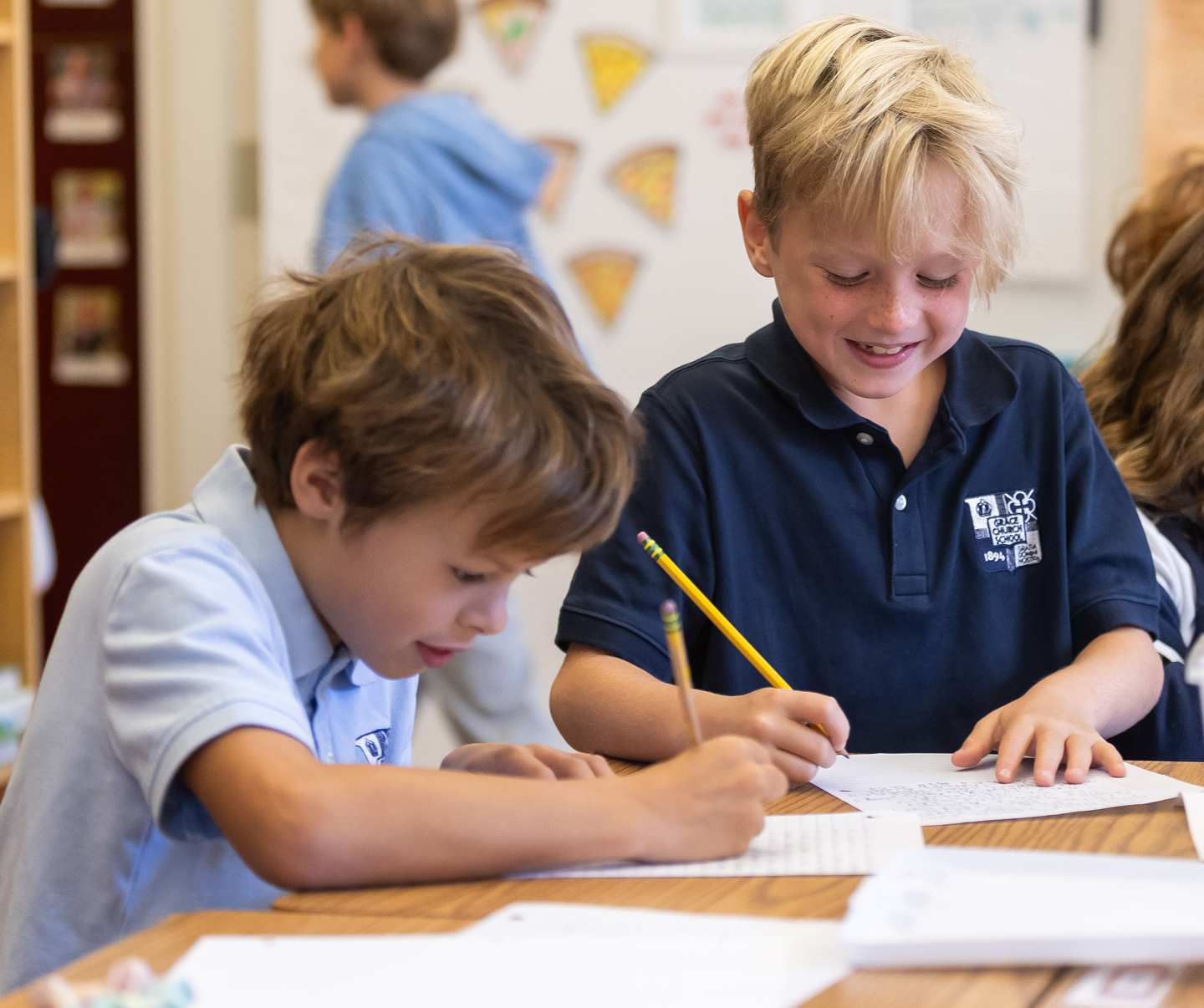
In second, third, and fourth grade, curiosity becomes a discipline. Students build on the foundations of Early Childhood to discover what it means to think—not just to follow instructions, but to ask deeper questions, investigate ideas, and sit with the uncertainty that comes before understanding.
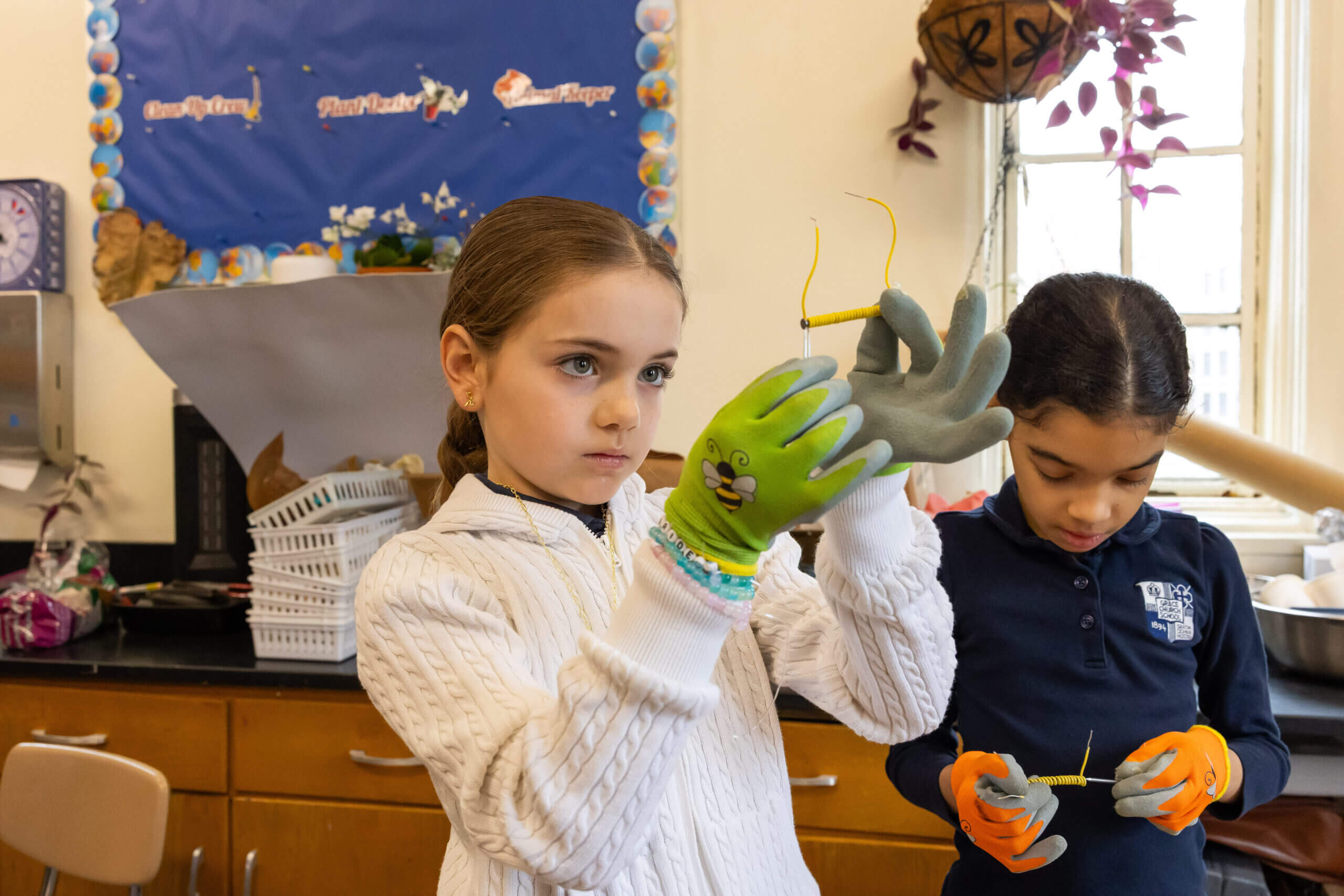
The lower school curriculum starts with a simple premise: the process of learning matters as much as the product. Students are encouraged to embrace difficulty, make mistakes, and develop the resilience that comes from working through something hard.
In an annual bridge-building challenge, for instance, students work in groups to design, construct, test, and rebuild structures capable of supporting a specified amount of weight. This cycle of trial, failure, and revision—guided by teachers throughout—reflects the pedagogy of the lower school: to engage with new ideas and skills to deepen understanding of abstract concepts and to expand students’ knowledge of the world around them.
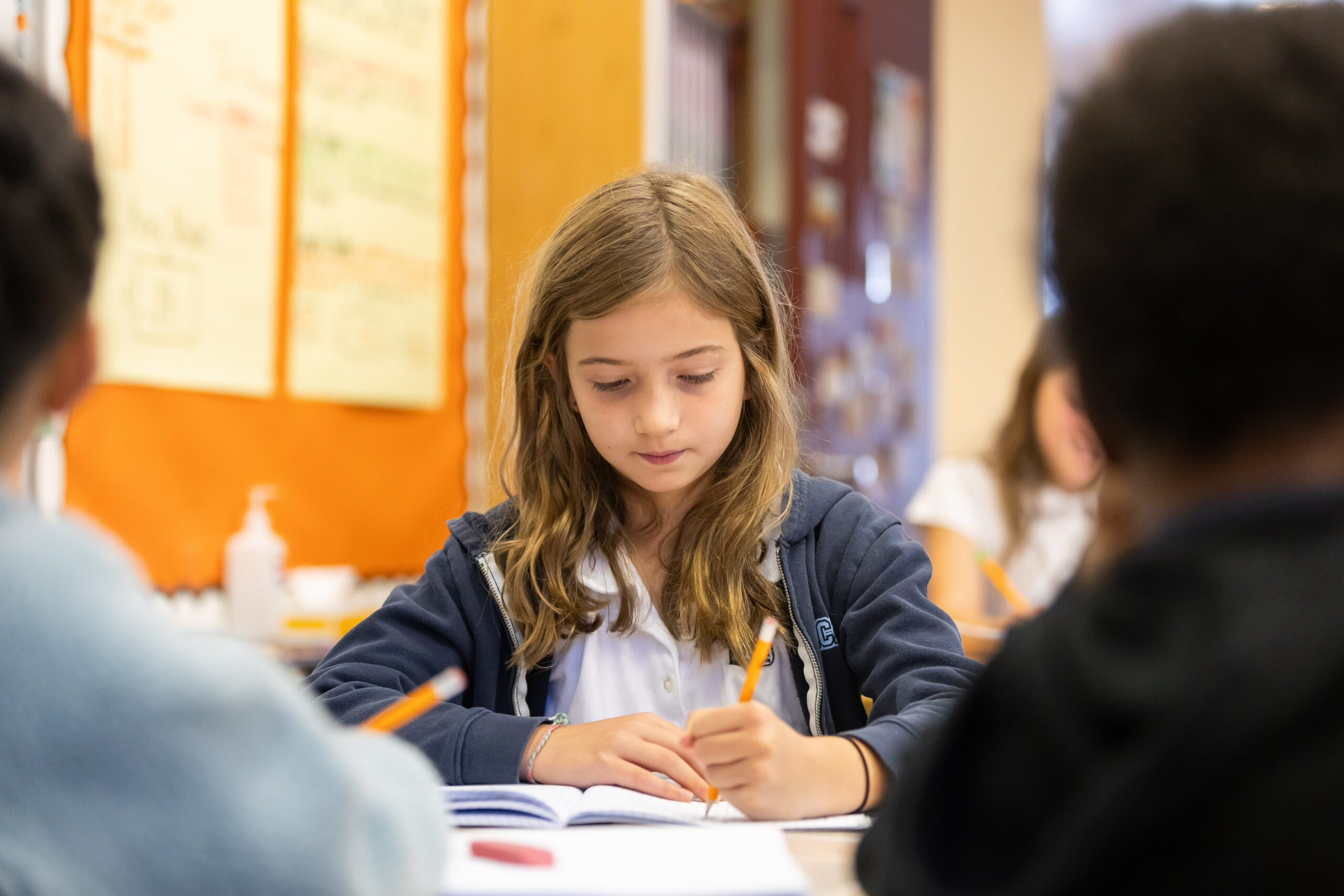
Literacy grounded in the science of reading
Phonics, vocabulary, and comprehension built through content-rich units in geography, world cultures, and the arts.
Read More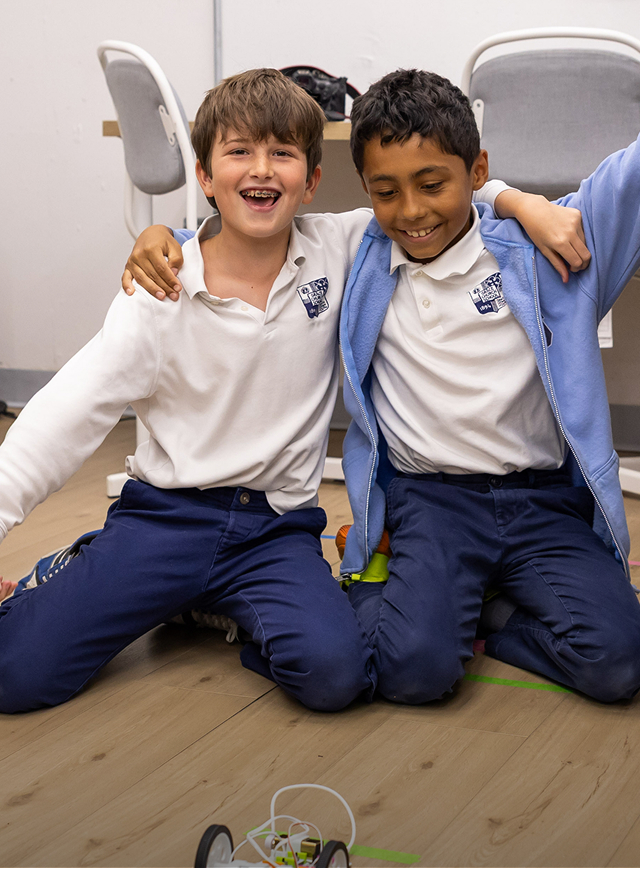
Mathematics rooted in a genuine love of numbers
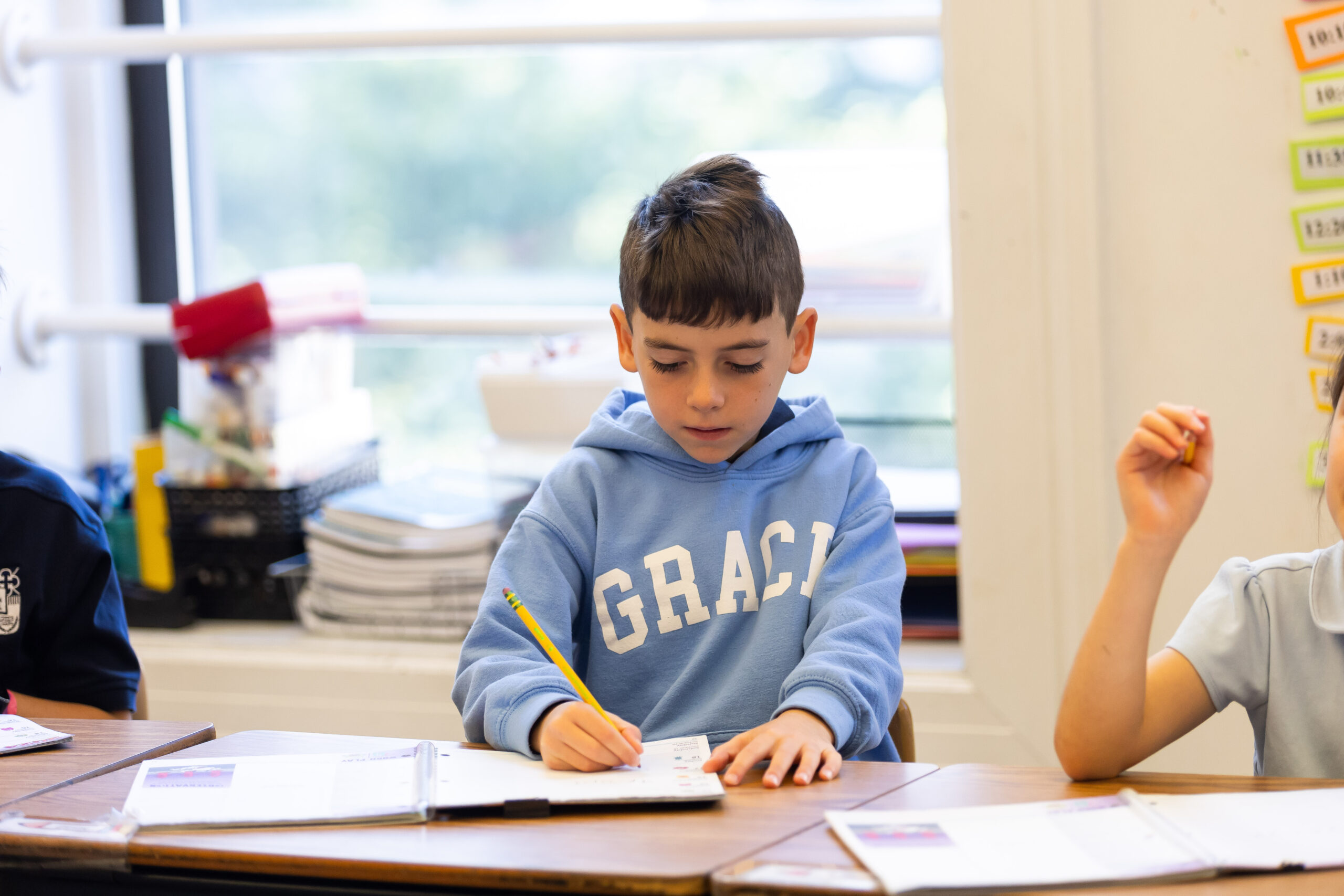
Problem-solving, visual models, and manipulatives build numeracy, flexible thinking, and algebraic reasoning.
Read More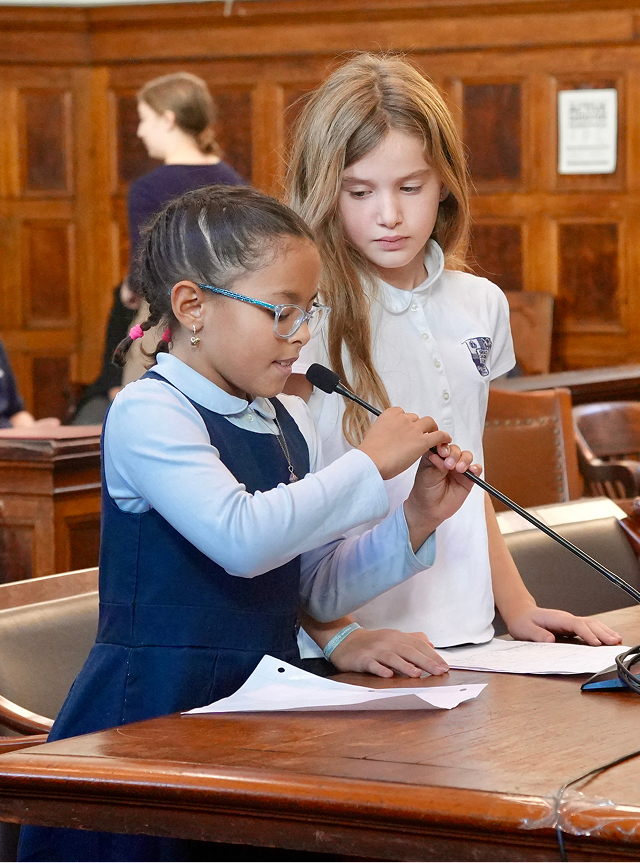
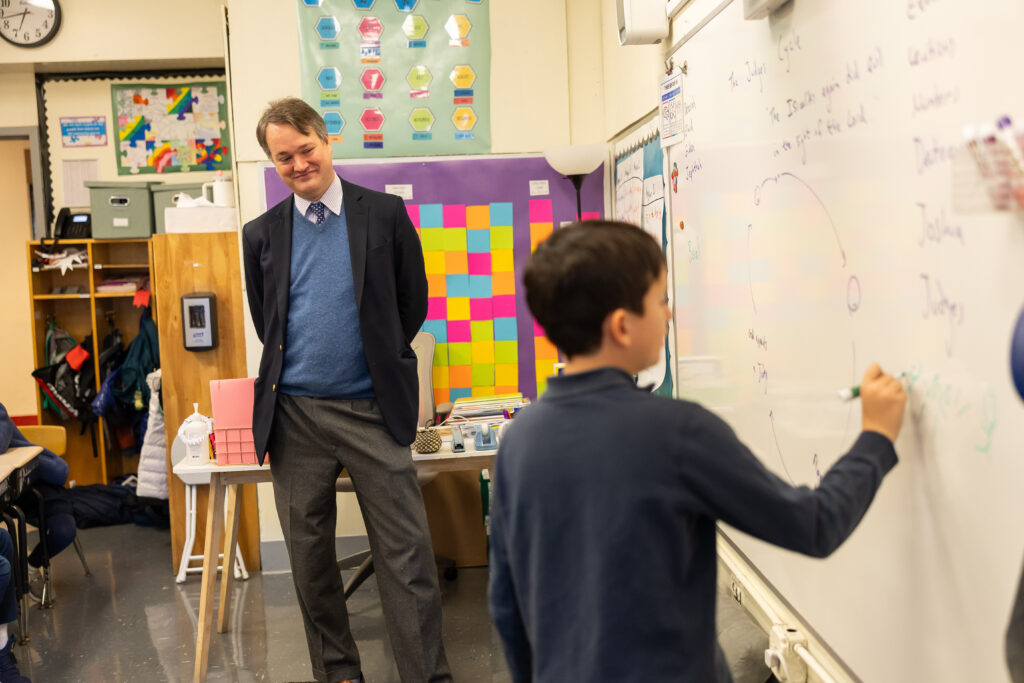
Social studies that reach further every year
From the exploration of New York City to the study of world civilizations, students develop knowledge alongside critical thinking, civic engagement, and ethical reflection.
Read MoreIntellectual growth and ethical development are deeply intertwined at Grace. Lower school students actively build the habits of ethical virtue that are central to our mission, including kindness, curiosity, courage, and humility. Every student is seen, valued, and challenged to contribute to a community defined by dignity and mutual respect. This practice of listening, thinking critically, and respecting the ideas of others is essential for students’ academic success, not just their ethical development.
The arts, world languages, technology, physical education, and library are not extracurriculars at Grace. They are where students discover new languages for thinking, making, and connecting with the world.
VISUAL ARTS
Cross-curricular and hands-on. Projects connect directly to students’ studies in social studies and science, growing in ambition and technical complexity from second through fourth grade.
PERFORMING ARTS
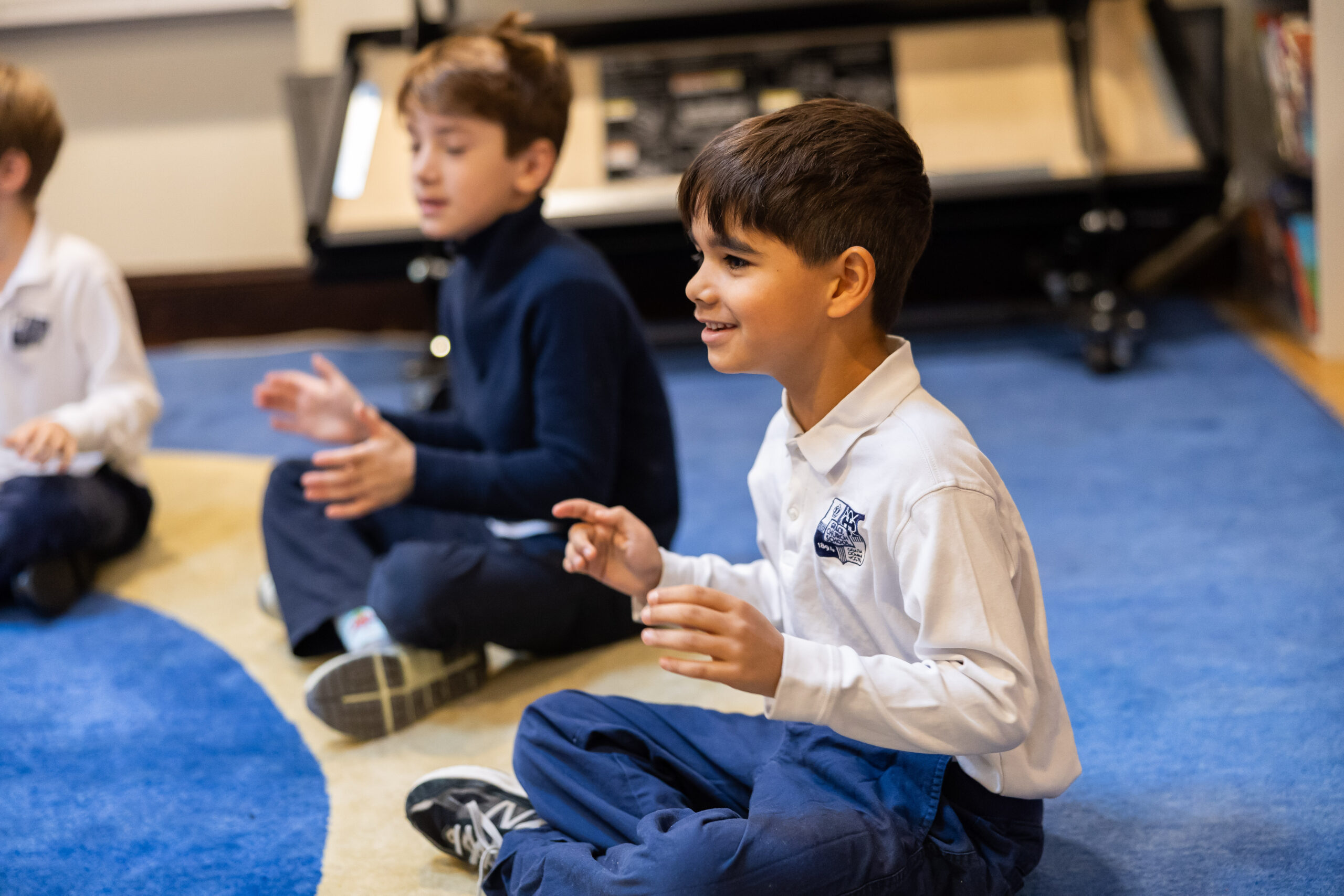
Students grow as dancers and musicians each year, exploring new traditions, techniques, and connections to the broader LS curriculum.
World Languages
Spanish or French begins in third grade, explored through music, art, games, and cultural studies, forming a foundation for long-term engagement.
TECHNOLOGY
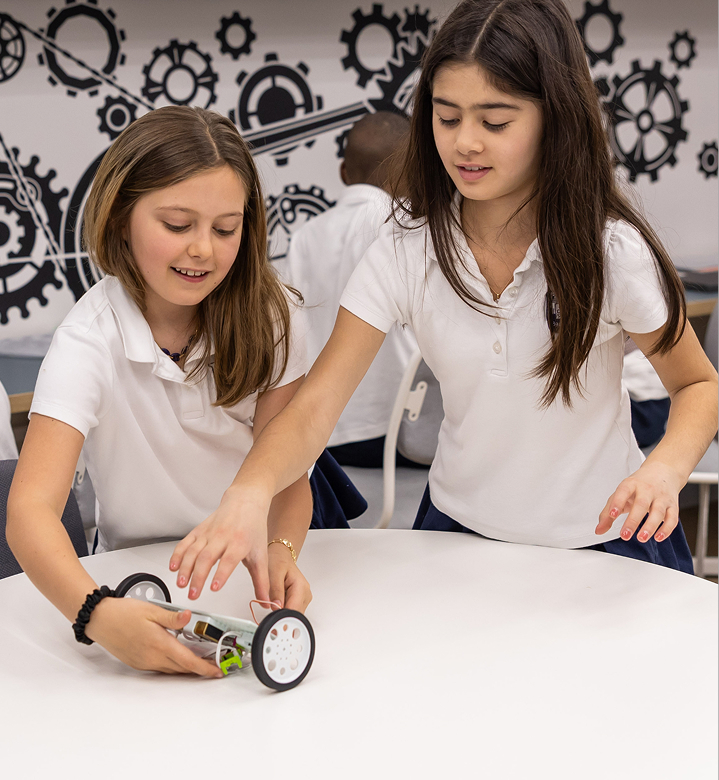
From 3D design in second grade to virtual reality, computational thinking, and engineering challenges in fourth, students build confidence and fluency as digital citizens.
PHYSICAL EDUCATION
Through team sports like handball, basketball, soccer, and ultimate Frisbee, students develop technical skills alongside those of sportsmanship and fair play.
LIBRARY
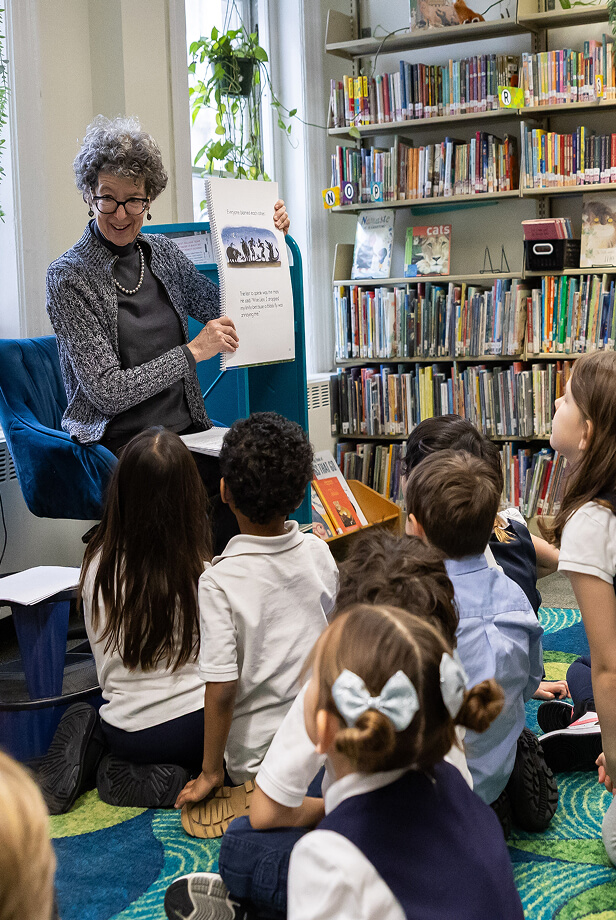
Students develop independent research skills, explore genre and subgenre, and grow into budding literary critics.
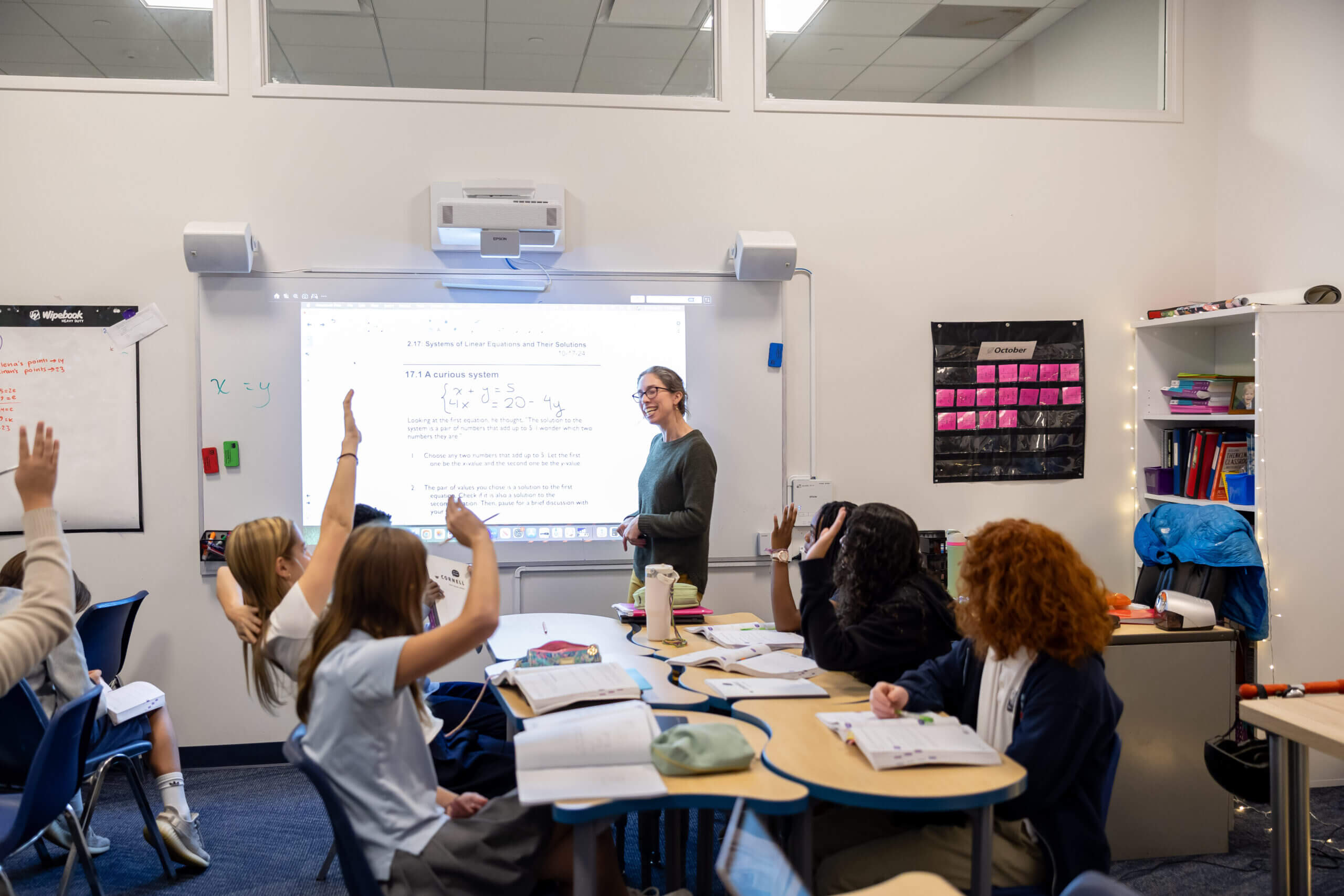
Our student support philosophy is proactive and woven into how we treat every child, every day. A dedicated team comprising a literacy specialist, learning specialist, and counselor works alongside classroom teachers to ensure every student has the challenge and support needed to succeed.