
 Academics
PROGRAMS / Service Learning
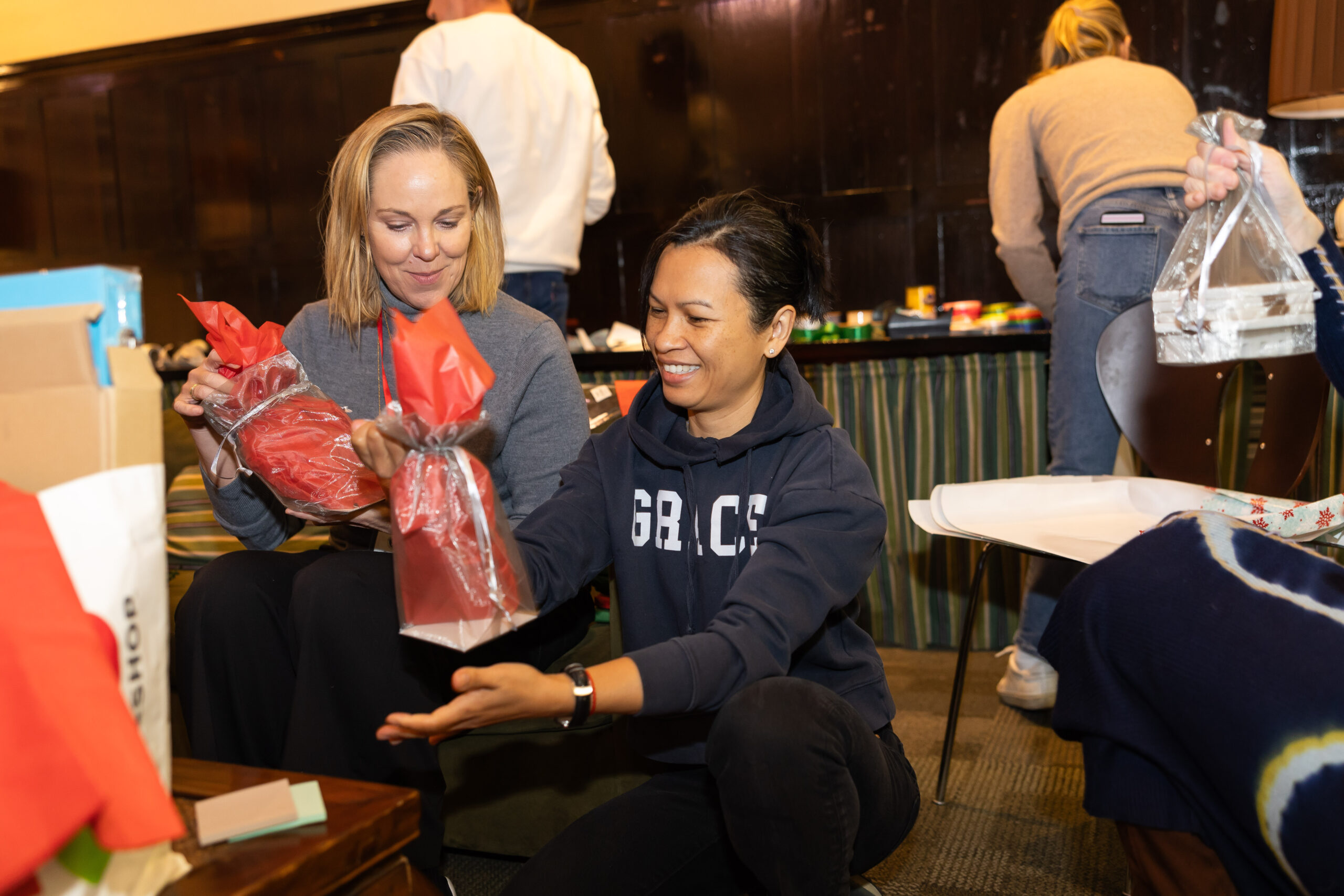
Service learning at Grace is an expression of who we are. Rooted in the belief that intellectual excellence and ethical virtue depend on one another, our service learning program challenges students to bring their academic learning to bear on real issues in the world around them. Whether partnering with local organizations or working alongside their peers, every Grace student, from our junior kindergarteners to our seniors, is asked to look beyond themselves, to recognize the dignity of others, and to act on that recognition in ways that matter. We believe community service can’t be siloed in the classroom, and we are proud of the ways our students and families extend this work beyond the school day. Students drive initiatives through service-centered clubs, engaging in advocacy work, volunteering, and support, and our Parents’ Association sponsors annual family service days each year.
Service learning at Grace is an expression of who we are. Rooted in the belief that intellectual excellence and ethical virtue depend on one another, our service learning program challenges students to bring their academic learning to bear on real issues in the world around them. Whether partnering with local organizations or working alongside their peers, every Grace student, from our junior kindergarteners to our seniors, is asked to look beyond themselves, to recognize the dignity of others, and to act on that recognition in ways that matter.
We believe community service can’t be siloed in the classroom, and we are proud of the ways our students and families extend this work beyond the school day. Students drive initiatives through service-centered clubs, engaging in advocacy work, volunteering, and support, and our Parents’ Association sponsors annual family service days each year.
Service at Grace begins early, and each year, students in Early Childhood partner with Visiting Neighbors, a nonprofit that supports elderly New Yorkers. They pair up with their middle school book buddies to express care for their neighbors and, in return, experience the joy of receiving heartfelt thank-you notes from the seniors with whom they connected. These early experiences lay the groundwork for their developing understanding that recognizing the worth of others is not just an ethical ideal, but a practice cultivated through real relationships and acts of care.
In the Middle School, the service learning program is framed around the interconnectedness of social responsibility, environmental stewardship, health, and respect for all. Beginning in sixth grade, students study pressing social issues in depth—ability and accessibility, climate change, and the roots of hunger in the United States—and design service projects that respond to them in impactful ways. Eighth graders, for example, investigate the systemic roots of food insecurity in a city marked by high food waste, then put that learning into practice by partnering with non-profit God’s Love We Deliver to prepare nutritious meals for New Yorkers in need. Each project is research-driven and grounded in the conviction that Grace students have both the responsibility and the capacity to contribute to a more just world.
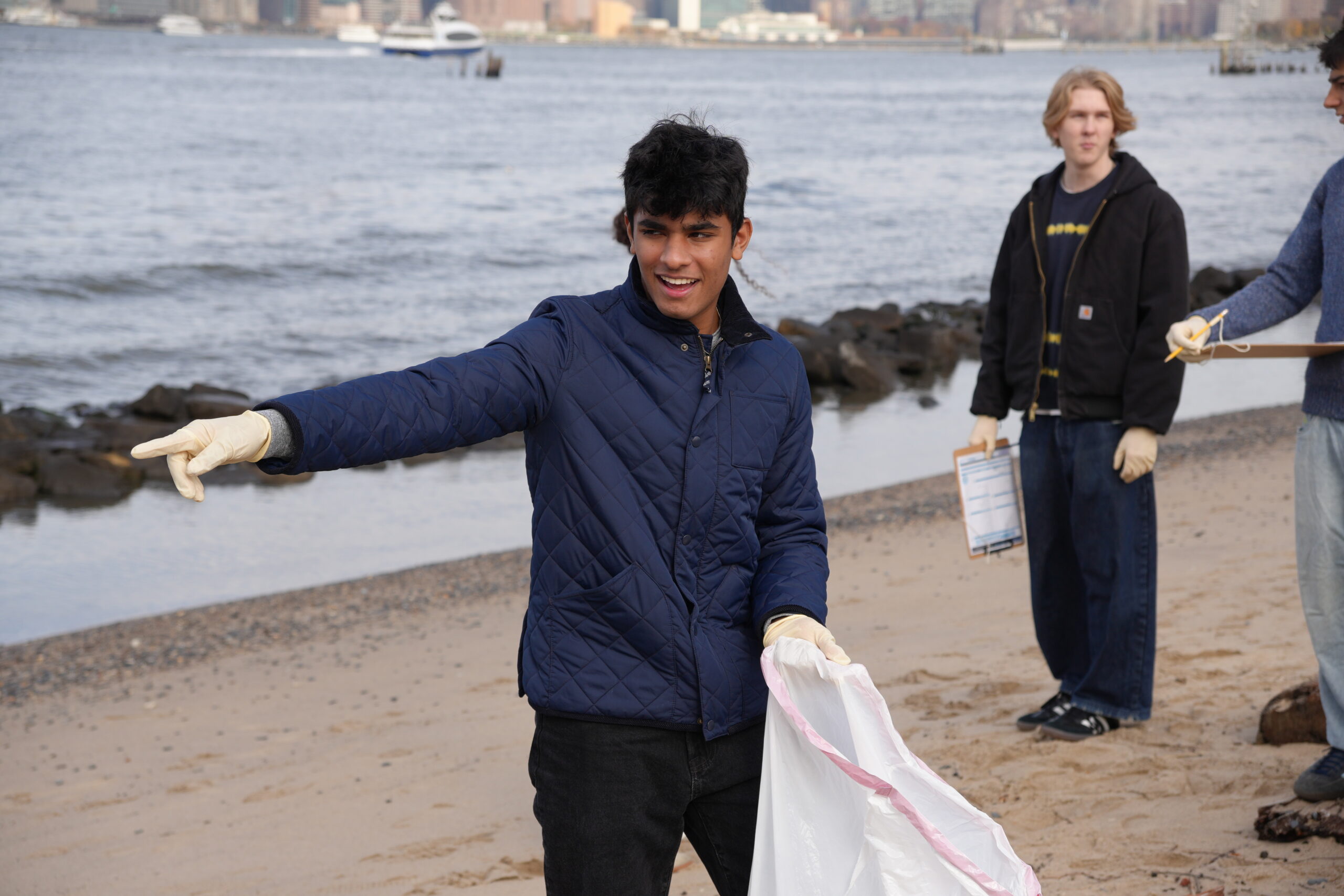
In the High School, service learning expands across the city. Every year, during the annual MLK Jr. Symposium Service Day, students partner with NYC organizations that work beyond the local neighborhood, including the Jewish Association for Serving the Aging (JASA), Grassroots Grocery, and Homes for the Homeless. Through Lab Studies electives, students engage with the Billion Oyster Project, restoring oyster reef habitats in New York Harbor while deepening their understanding of ecology, environmental conservation, and the history of the city’s waterways. A student-run club packs leftover cafeteria food weekly for delivery to local community fridges in partnership with Grassroots Grocery. Whether they are helping to clean up Fourth Avenue or working at a community center in the Bronx, students are learning firsthand how their actions have real impact on the world around them.
“Most of the food the students harvest from our urban garden is donated to a community fridge in the East Village, allowing students to see firsthand how their work can directly benefit others. One of the main goals in teaching Urban Garden is that my students not only develop their gardening skills, but leave the course with a stronger sense of belonging, purpose, and connection within the environment of New York City.”
James Casey, High School Faculty, “Urban Garden” Instructor